Modern telecommunications systems are built on a tightly integrated stack of fiber transport,
wireless access, and high-capacity backhaul architectures. These systems must operate within
established industry frameworks, including FCC spectrum allocations, carrier-grade engineering
practices, and widely adopted standards such as IEEE and TIA. Our technology engineering
capabilities focus on the design, planning, and optimization of these networks, ensuring that
infrastructure is both technically robust and scalable within real-world deployment environments.
We support a broad range of telecommunications technologies used in the United States and
comparable carrier markets, including fiber optic transmission systems, 4G LTE and 5G radio
access networks, and hybrid transport architectures that connect access layers to core network
infrastructure.
We design passive optical network architectures widely deployed in FTTH and broadband expansion programs. These include GPON and XGS-PON systems used for residential, enterprise, and mixed-service deployments. Engineering considerations include optical line terminal (OLT) placement, splitter hierarchy design, optical power budgeting, feeder and distribution network structuring, and drop network scalability. These systems are engineered to support phased deployment models commonly used in large-scale broadband rollouts across the United States, ensuring that networks can expand incrementally without structural redesign of the outside plant architecture.
We support the design of active Ethernet and point-to-point fiber networks used in enterprise connectivity, data center interconnect, and carrier backhaul applications. These systems provide dedicated bandwidth per endpoint and are typically deployed where deterministic performance and low latency are required. Engineering scope includes fiber pair allocation, route diversity design, redundancy configuration, and scalable aggregation structures. These networks are designed to integrate with carrier Ethernet environments and support high-capacity service delivery across metro and regional infrastructure.
We engineer dense wavelength division multiplexing (DWDM) systems for high-capacity metro and long-haul fiber transport. These systems are a core component of backbone infrastructure in modern telecommunications networks across the United States. Design considerations include wavelength planning, channel spacing configuration, optical amplification strategies, link budgeting, and spectral efficiency optimization. These systems enable multi-terabit transport across constrained fiber pathways while maintaining scalability for future capacity expansion.
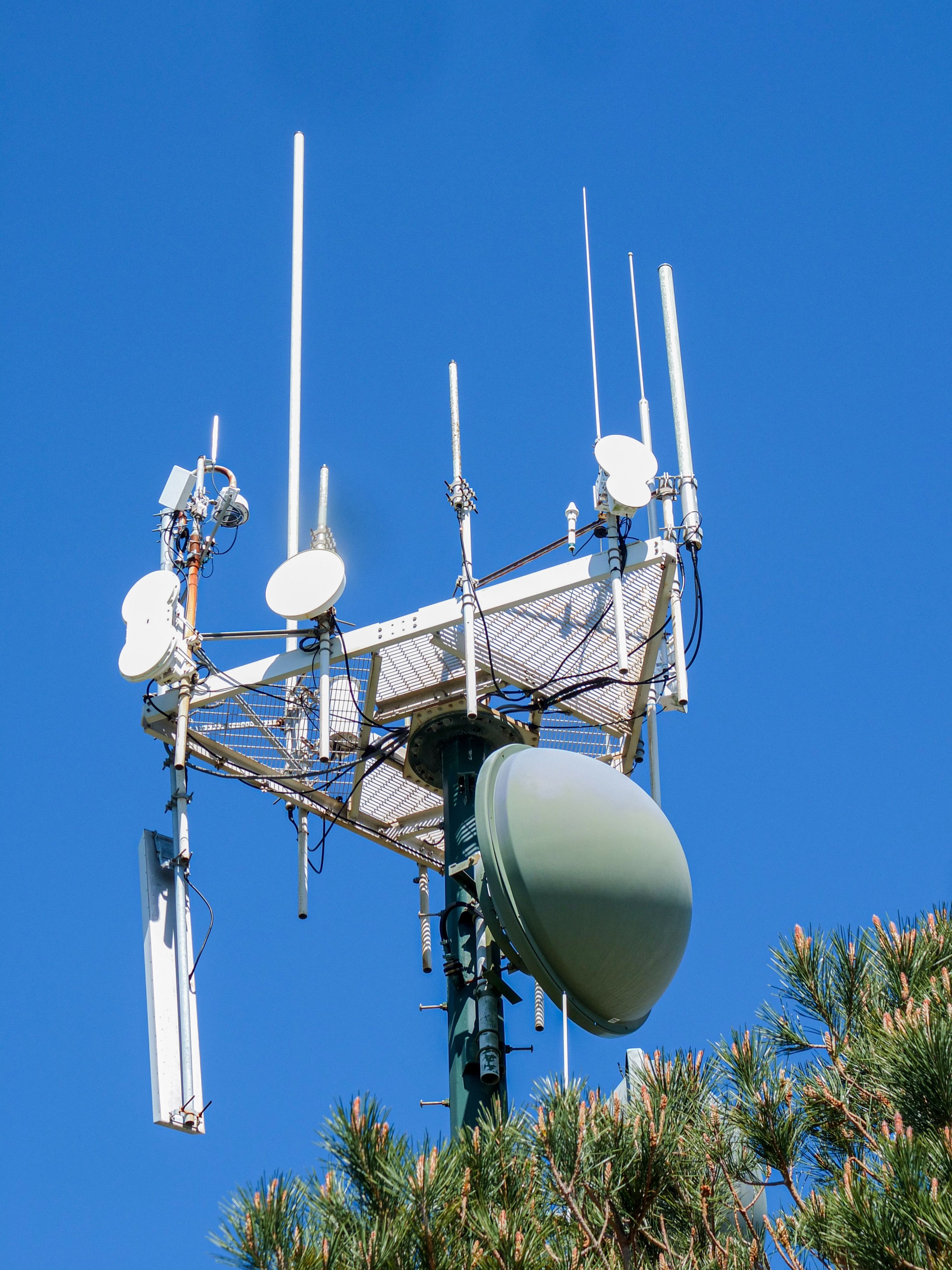
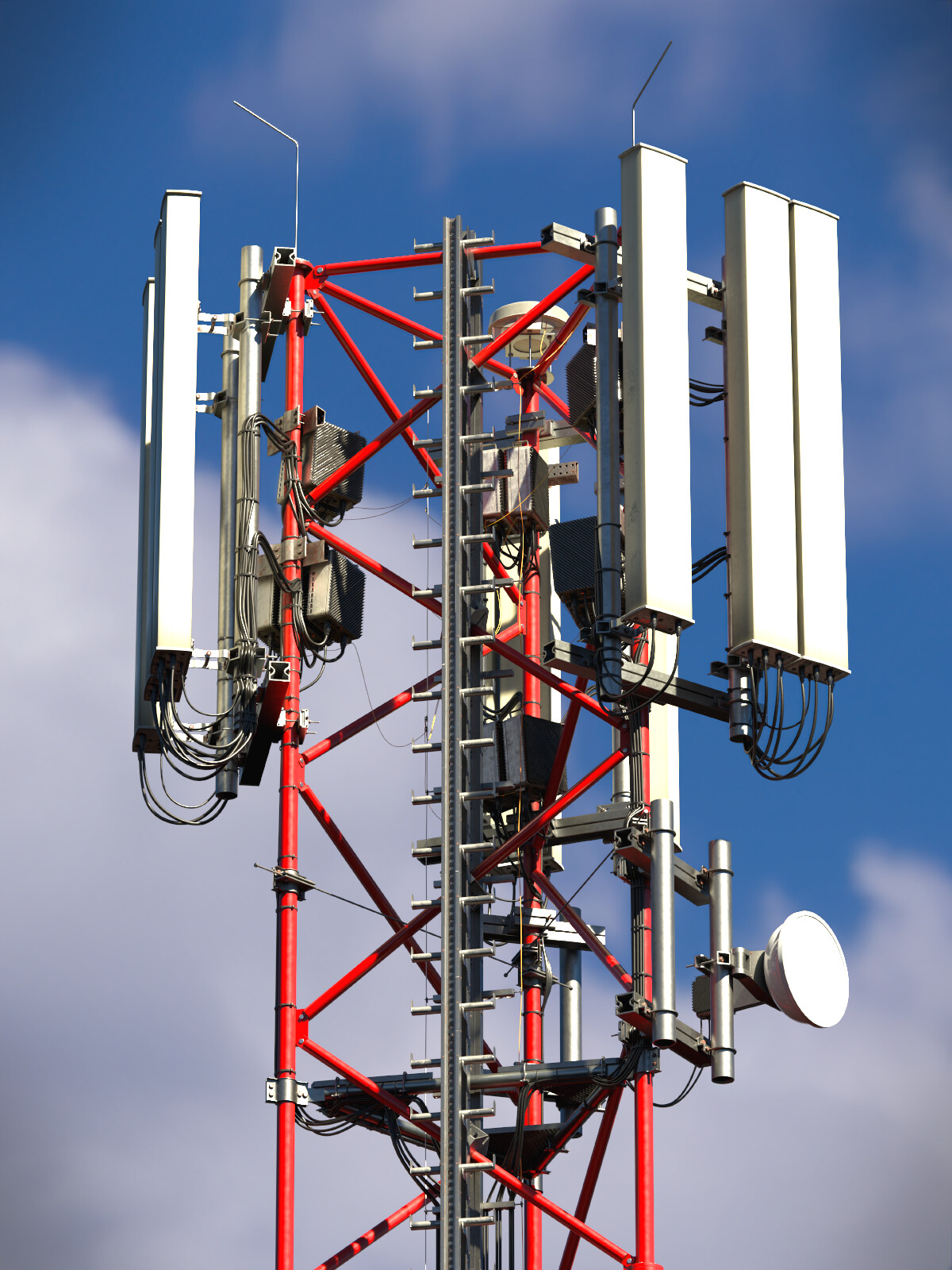
We provide engineering support for LTE radio access networks, including macrocell towers, rooftop installations, and dense urban small-cell deployments. Design considerations include sectorization planning, licensed spectrum utilization, MIMO configuration alignment, backhaul integration, and inter-site handover optimization. LTE networks are engineered to integrate seamlessly with fiber or licensed microwave backhaul systems, ensuring consistent throughput and coverage reliability in both urban and suburban environments.
We support 5G New Radio deployments across both NSA and SA architectures, including mid-band (C-band) and mmWave implementations. These technologies form a major component of nextgeneration wireless infrastructure across the United States. Engineering considerations include beamforming optimization, massive MIMO configuration, small-cell densification strategies, propagation modeling for high-frequency bands, and edge latency constraints for SA core deployments. These systems require tight integration between radio access design and fiber transport capacity to ensure end-to-end performance.
We engineer fixed wireless access systems used for broadband delivery in suburban and rural environments. These networks rely on LTE and 5G technologies to extend service coverage where fiber deployment is limited or economically constrained. Design considerations include RF propagation analysis, line-of-sight validation, subscriber density modelling, interference mitigation strategies, and backhaul capacity planning. FWA networks are often deployed as part of broader broadband expansion initiatives in the United States.
We support dense urban network deployments through small-cell architecture design, including pole-mounted systems, street-level installations, and distributed radio access nodes. Engineering focus includes site clustering strategies, interference coordination, fiber backhaul integration, power and space constraints within public right-of-way environments, and capacity balancing across highdensity deployment
We design fiber backhaul systems that connect radio access sites, aggregation points, and core network facilities. These systems are engineered to support both LTE and 5G traffic loads while maintaining scalability for future demand growth. Key design considerations include route diversity, ring and mesh redundancy structures, aggregation node placement, latency constraints, and capacity alignment with radio access requirements across carrier networks in the United States.
Where fiber deployment is constrained, we support microwave backhaul engineering using licensed spectrum systems commonly deployed in carrier networks. Engineering scope includes path profiling, line-of-sight validation, frequency coordination, link budgeting, fade margin analysis, and capacity optimization. These systems are often used as hybrid or transitional solutions in mixedtransport architectures.
Modern telecommunications networks operate as converged systems where fiber transport infrastructure directly supports wireless access layers. We engineer integrated architectures that align radio access networks with underlying fiber transport capacity to ensure consistent performance across the entire network stack. This includes coordination between aggregation layers, central office facilities, cell site interconnects, and data center nodes to support scalable and resilient network operation.
We support distributed network architectures where processing and aggregation functions are positioned closer to end users to reduce latency and improve service performance. Design considerations include edge aggregation node placement, latency-sensitive routing structures, and backhaul optimization strategies that support advanced 5G standalone deployments and high-density urban environments.

We also support engineering design for advanced and evolving network systems, including:
Telecommunications technologies must ultimately be translated into deployable, standards-aligned infrastructure that operates reliably within real-world conditions. Our engineering approach ensures that advanced fiber and wireless systems are accurately mapped onto physical infrastructure designs that meet performance, scalability, and lifecycle requirements. By combining deep technical understanding of modern network architectures with structured infrastructure engineering principles, we support the development of high-performance telecommunications systems capable of sustaining current demand and scaling for future evolution.