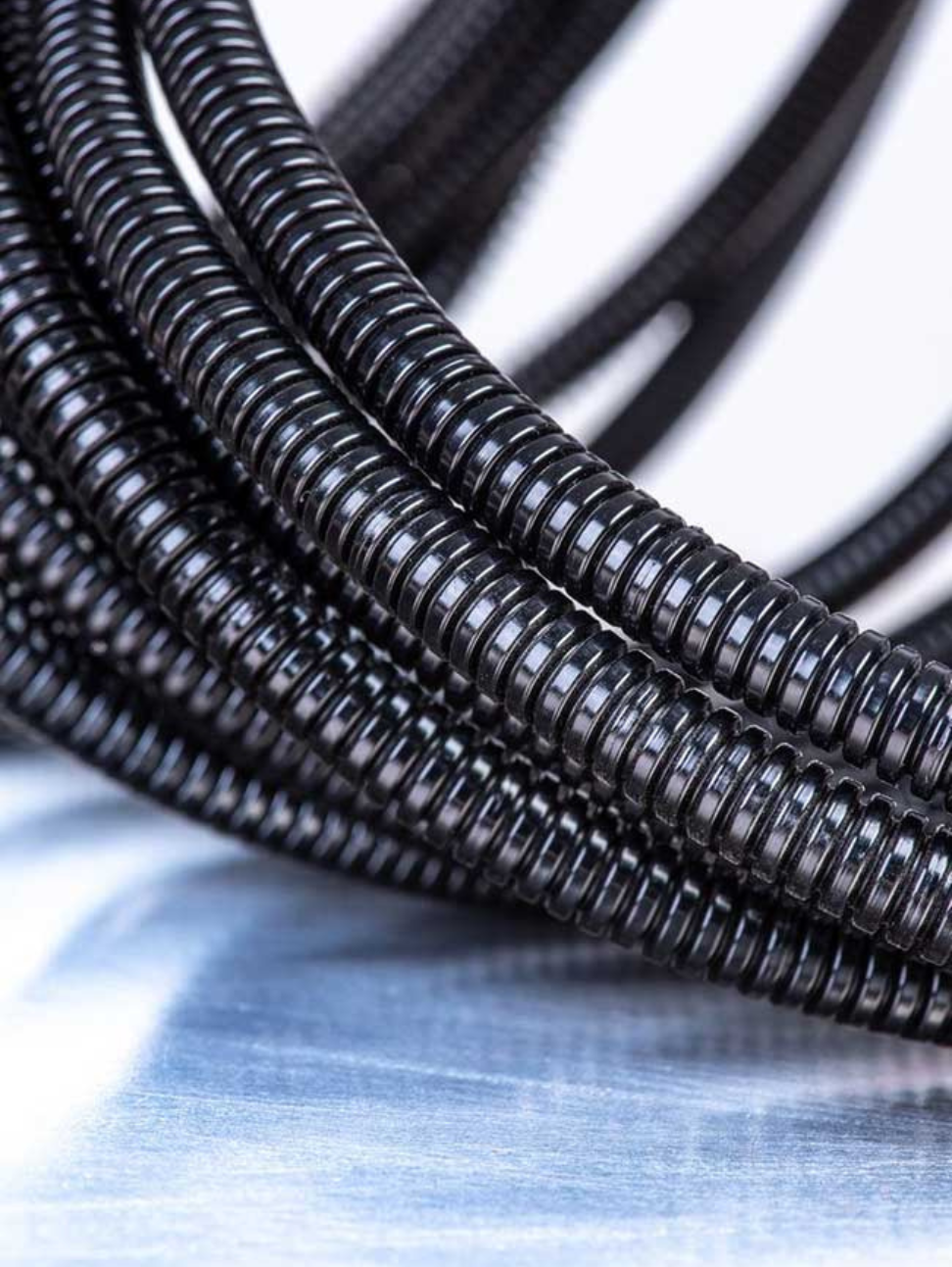
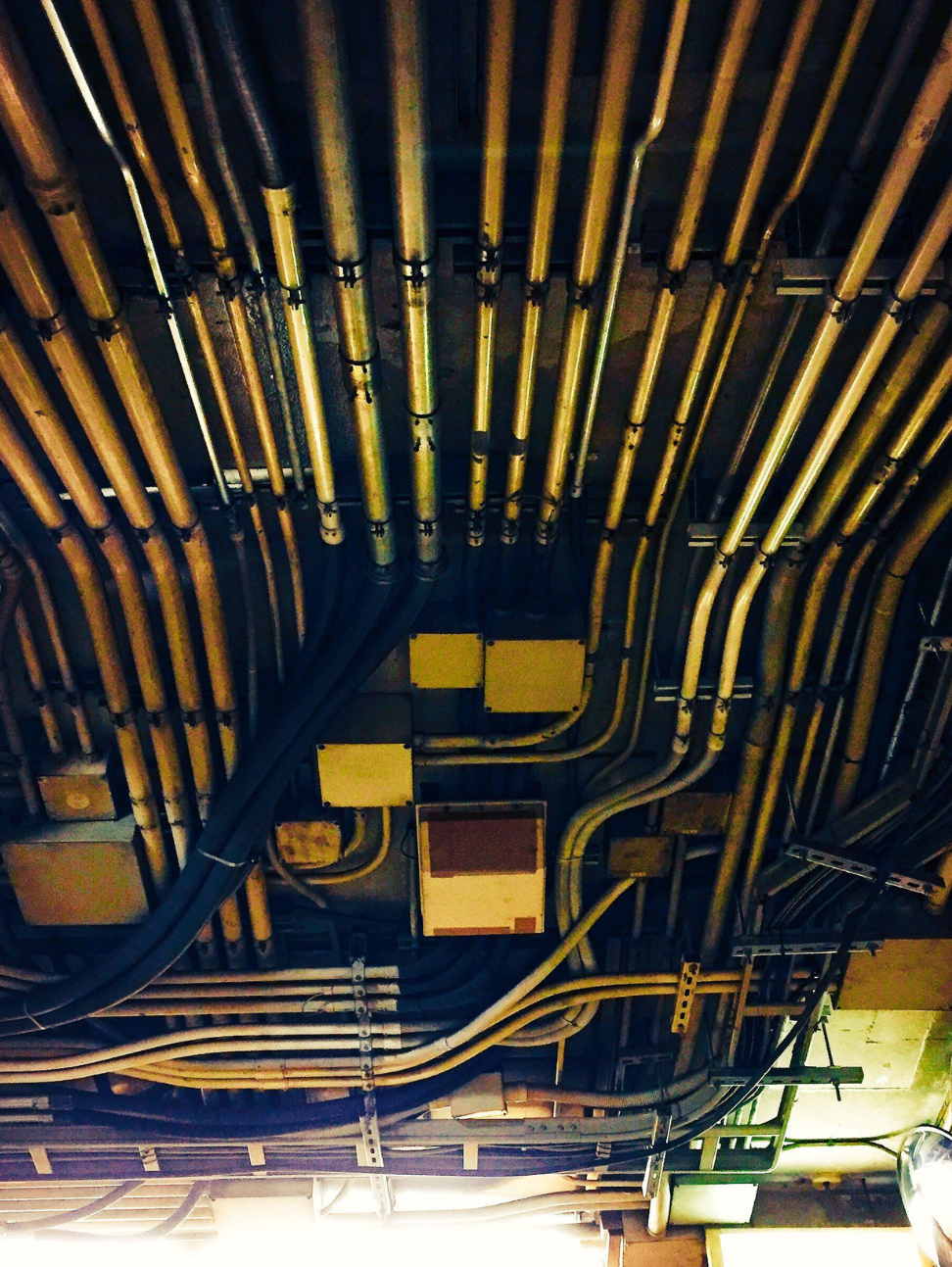
The design of a telecommunications conduit network requires careful consideration of capacity requirements, network architecture, infrastructure interfaces, and long-term operational objectives. We develop conduit layouts that establish efficient pathways for fiber optic cable deployment while supporting future network expansion and maintenance activities. Our designs consider conduit sizing, duct allocation strategies, spare capacity requirements, network segmentation, and infrastructure accessibility. Particular attention is given to creating systems that provide flexibility for future cable installations without requiring significant modifications to the underlying civil infrastructure.
Duct banks provide structured underground pathways capable of accommodating multiple telecommunications cables within a single engineered corridor. We develop duct bank designs that balance capacity, constructability, asset protection, and future scalability requirements while supporting efficient network deployment and long-term infrastructure management. Engineering considerations include duct configuration, separation requirements, thermal considerations, loading conditions, infrastructure interfaces, and utility corridor integration. The resulting designs establish robust underground systems capable of supporting complex telecommunications networks across urban, suburban, and regional environments.
Access chambers, handholes, vaults, and maintenance structures play a critical role in enabling network access, cable management, and future infrastructure modifications. We develop layouts and engineering designs that optimize chamber placement, accessibility, cable routing efficiency, and operational functionality throughout the network. Designs are developed to support cable installation activities, facilitate maintenance operations, accommodate future network growth, and maintain logical infrastructure organization. Strategic placement of access structures contributes significantly to the long-term operability and maintainability of telecommunications assets.

Telecommunications infrastructure frequently shares space with electrical systems, water networks, gas pipelines, transportation infrastructure, and other utility assets. Effective underground design requires careful coordination to ensure compatibility with existing and proposed infrastructure within increasingly congested utility corridors. We evaluate corridor conditions, infrastructure interfaces, separation requirements, and spatial constraints to develop designs that minimize conflicts and support efficient utilization of available underground space. This coordinated approach helps improve project feasibility while reducing the likelihood of future infrastructure conflicts.
Underground telecommunications infrastructure represents a long-term investment that must accommodate future network requirements as demand evolves. We perform detailed capacity assessments to determine appropriate conduit counts, spare duct provisions, access requirements, and expansion allowances necessary to support anticipated network growth. By incorporating scalability into the initial design, operators can reduce future capital expenditure, simplify network upgrades, and maintain greater flexibility when responding to changing service demands or technological developments.
Reliability is a fundamental objective in modern telecommunications infrastructure design. We incorporate resilience strategies into underground network layouts by evaluating route diversity opportunities, infrastructure redundancy requirements, and potential points of vulnerability within the proposed network. These considerations help establish conduit systems that support network continuity, reduce exposure to service disruptions, and improve overall infrastructure robustness. The resulting designs contribute to stronger network performance and enhanced operational reliability over the long term.
Comprehensive engineering documentation is essential for accurately communicating underground infrastructure requirements and maintaining consistency throughout project development. We prepare detailed design packages that define conduit alignments, duct bank configurations, access structure layouts, infrastructure interfaces, capacity allocations, and technical design criteria. These deliverables provide stakeholders with a clear and technically robust framework that supports planning, review, implementation, and future asset management activities.
Typical project deliverables may include:
Our Underground Conduit & Duct Bank Design services support a wide range of telecommunications infrastructure projects, including:
Underground telecommunications infrastructure must continue to perform long after initial deployment, supporting changing technologies, increasing capacity demands, and ongoing network expansion. Through disciplined engineering practices, strategic capacity planning, and a focus on long-term asset performance, we develop conduit and duct bank systems that provide a durable and scalable foundation for modern telecommunications networks.